

Giving thoughts somewhere to go
Five fragments for the week of July 13, 2026

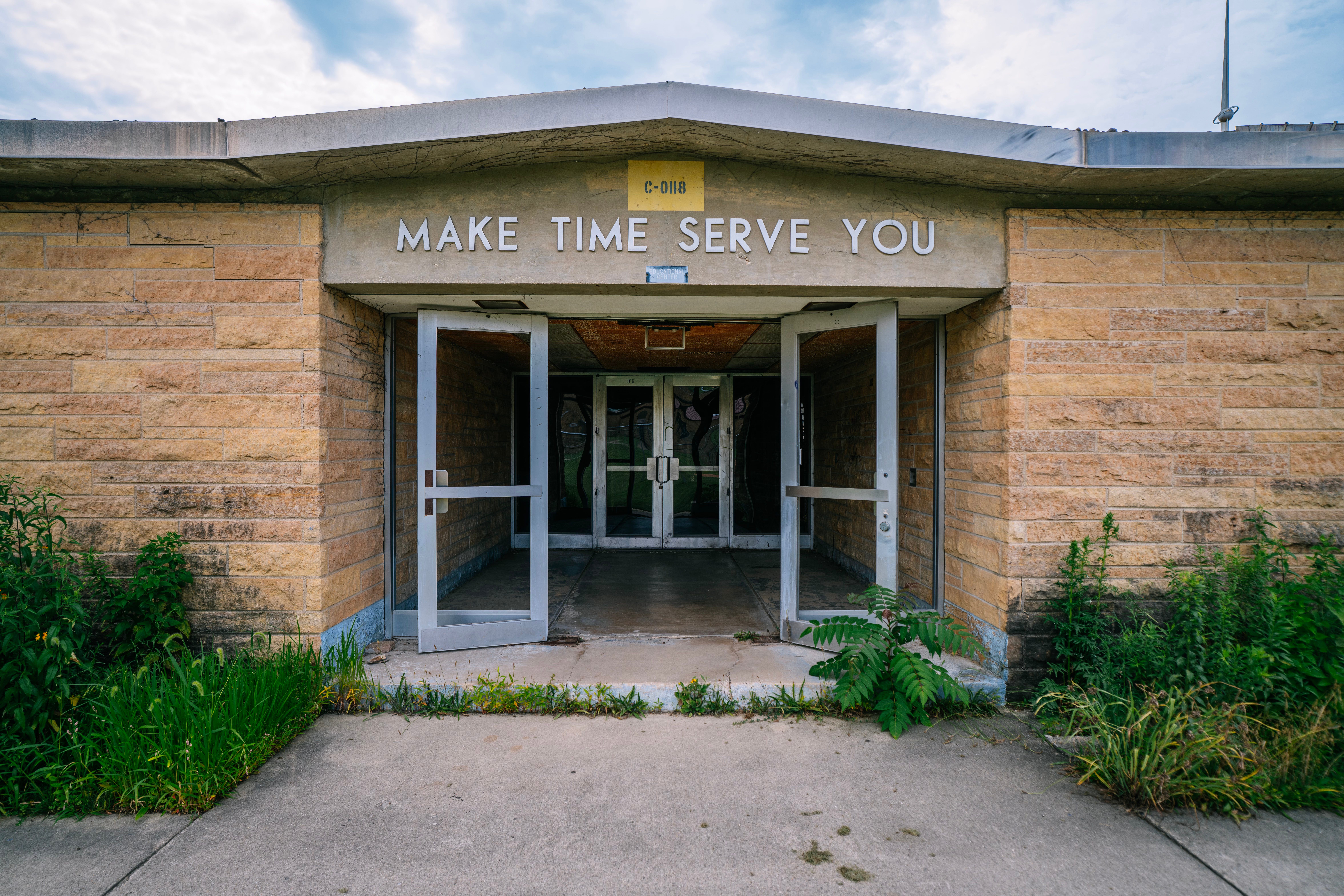
Hello from milder weather. Back from Paris, quite a few iced chocolates in my past.
Here are five fragments that stuck with me last week…
Today working on a phone or laptop is associated with upper-middle-class knowledge work. In ten years, it will be a kind of low-status, blue-collar, manual labor; you won't want to be seen doing it in public.
A megatrend over the next ten years will be the disappearance of screens. We'll move to e-ink displays for anything that requires visual inspection, but the most elite and coveted, high-value work will be screenless, engaged with analog materials, and voice-first. Looking into all of these backlit screens, scrolling and typing with your thumbs on tiny keyboards, squinting at tabs and pixels with a "mouse"—you can already feel these are absurd, awful relics of a past time.
– Justin Murphy on X, July 13, 2026. Provocative! Shared by a friend and I’m still thinking about it. My reply: “In general, I think status signifiers are gonna rotate a lot. Like right now it is sorta high status to be frenzied about Fable, but frenzy has not historically been high status.”
Giving thoughts somewhere to go seems to do more than keep them from disappearing. It changes the entire shape of my attention, making me more alert to what might connect, deepen, or become something else. Once written down, a thought begins to exert a kind of gravity, drawing other ideas, memories, and experiences toward it until it gradually takes on a larger form.
– Maja, “the more you write, the more you begin to see,” velvet noise, July 13, 2026. Romanticize writing!
The Claudes, across the board, work better if you are pure of heart.
This is so deeply and literally not a shitpost.
– @jon_vs_moloch on X, July 8, 2026. This post quotes another one from @QiaochuYuan: “the funny thing is it isn't as simple as saying please and thank you either because the models are smart enough to tell when you're bullshitting. fable may do better work for you if it truesights you and judges you to be a good person who cares about it which is just weird.” An idea with sci-fi/market fit.
There are many techniques a game can use to adapt to the player – a simple upfront difficulty selector, complex difficulty settings, a training level, adaptive difficulty, accessibility/assist modes – but there are no easy answers. Each method comes with pros and cons, and perhaps the very notion that a game should adapt to the user is flawed; some players might find it more rewarding to have to step up to the game instead.
– Marcin Wichary, “‘Not being good at something doesn’t mean you can’t love it,’” Unsung, July 11, 2026. Some players might find it more rewarding to have to step up to the game instead.
An artist with no hiatus is a commodity.
– Nick Swoboda on X, July 11, 2026. Buried in the replies to a since-deleted Grimes post: facts.
Until next time,
Diana
https://dianaberlin.com